The Art of Plating: Transforming Dishes into Culinary Masterpieces


The art of plating is an essential skill that transforms ordinary dishes into culinary masterpieces. It goes beyond taste, engaging the visual senses and elevating the dining experience. Chefs around the world spend years perfecting this craft, as it plays a crucial role in how we perceive and enjoy food.
Understanding the Basics of Plating
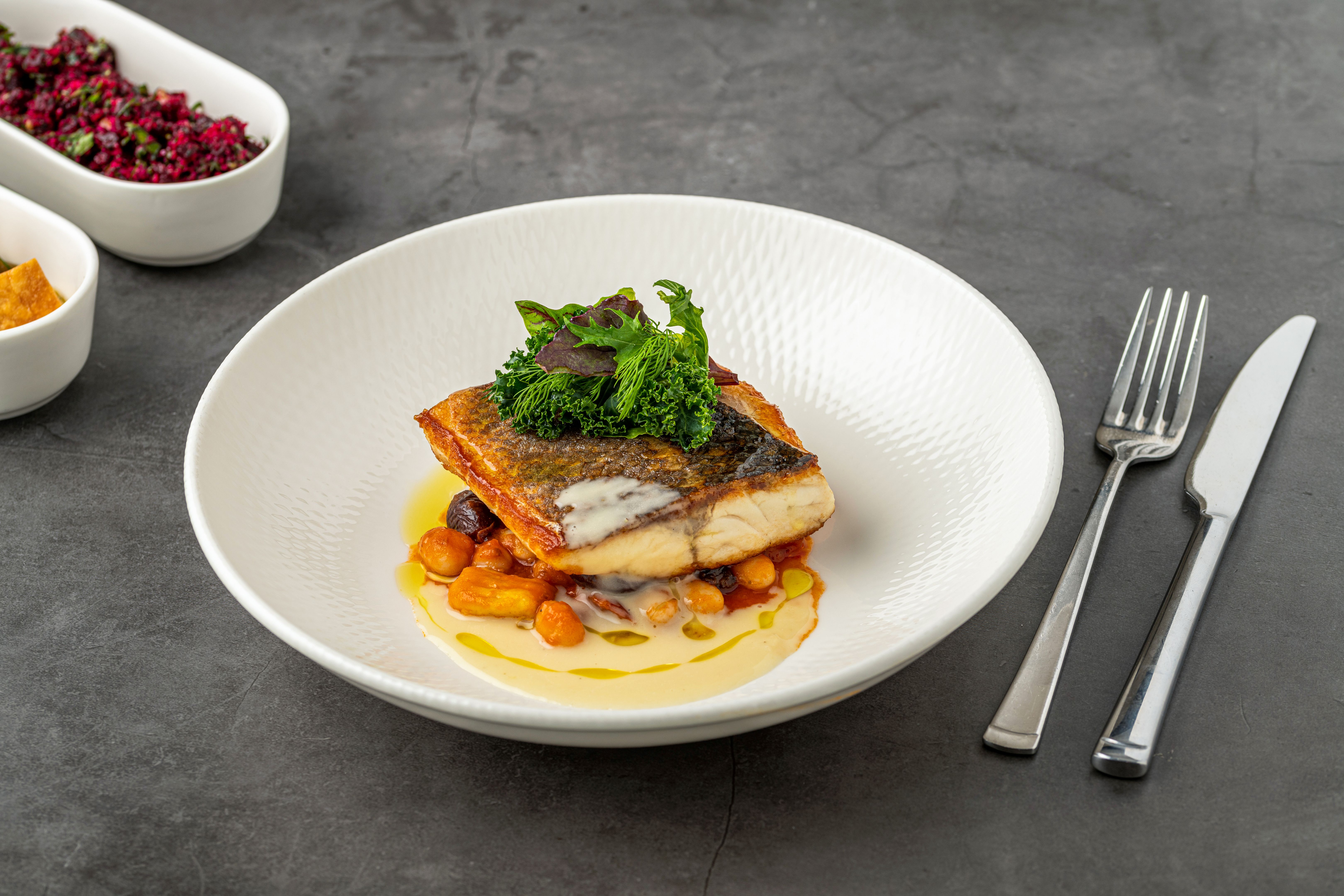
Plating is not just about putting food on a plate; it's about designing an experience. A well-plated dish should tell a story and evoke emotion. The balance of colors, textures, and proportions all contribute to the overall presentation. The goal is to enhance the dish without overpowering its natural allure.
One of the basic principles of plating is to use the plate as a canvas. The focus should be on showcasing the food, allowing it to be the star of the show. This often involves considering the size and shape of the plate, as well as the arrangement of the food.
Choosing the Right Plate
The selection of the plate is a critical aspect of plating. White plates are popular because they provide a neutral background that makes the colors of the food pop. However, the choice of plate can vary depending on the dish and the desired effect. For instance, a rustic dish might be best served on a wooden board, while a modern dish could benefit from a sleek, black plate.
The Importance of Color and Texture
Color plays a vital role in plating, as it can stimulate appetite and enhance the visual appeal. Chefs often use contrasting colors to create a vibrant and attractive presentation. For example, a bright red sauce can complement a green vegetable, creating a striking visual contrast.
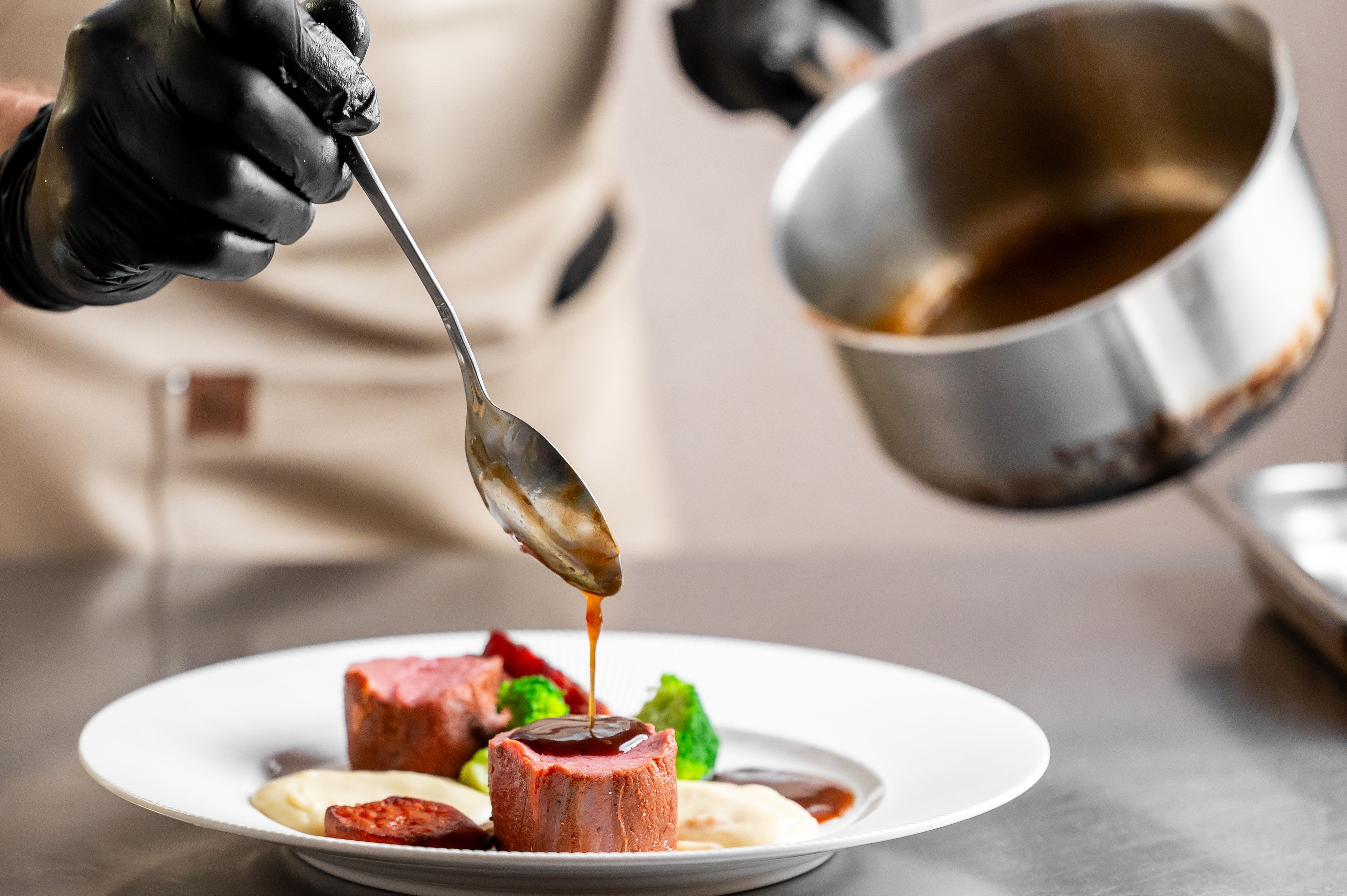
Texture is equally important. A successful dish should have a variety of textures, such as a creamy sauce paired with a crispy element. This not only adds interest but also engages the palate, providing a more satisfying dining experience.
Techniques for Effective Plating
Several techniques can be employed to achieve effective plating.
- Layering: Building layers can add depth and dimension to a dish.
- Drizzling: Artfully drizzling sauces can enhance both flavor and appearance.
- Garnishing: Thoughtfully placed garnishes can add freshness and color.

The Role of Creativity in Plating
Creativity is at the heart of plating. Chefs are encouraged to experiment and push boundaries, using plating as a form of artistic expression. This might involve using unexpected elements like edible flowers or unique geometric arrangements.
While guidelines and techniques provide a foundation, the best dishes often come from breaking the rules and exploring new ideas. This creative freedom allows chefs to innovate and develop their unique style, distinguishing their work from others.
Plating for Home Cooks
Even home cooks can benefit from learning the art of plating. By applying a few simple principles, anyone can transform a meal into a special occasion.
- Start simple: Focus on one or two elements to highlight.
- Use fresh ingredients: Freshness is visually appealing and enhances flavor.
- Practice: Like any art form, practice makes perfect.
Ultimately, the art of plating is about more than just aesthetics. It's about creating an experience that delights all the senses, turning a meal into a memorable event. Whether in a professional kitchen or at home, mastering the art of plating opens up endless possibilities for culinary creativity and enjoyment.