The Art of Plating: Elevate Your Dishes with Professional Tips


Plating is an essential skill in the culinary world, transforming a simple meal into a work of art. Whether you're a home cook or a professional chef, mastering the art of plating can significantly enhance the dining experience. Let's explore some professional tips to elevate your dishes.
The Importance of Plating
Presentation is the first interaction your guests have with your dish. A beautifully plated meal not only looks appealing but can also enhance the perceived taste. The visual appeal can set the stage for the flavors to come, making the dining experience more enjoyable.
Color, texture, and arrangement play crucial roles in plating. A well-balanced composition can make even the simplest ingredients look gourmet. Consider how the colors contrast on the plate and how the textures complement each other to create a visually pleasing dish.
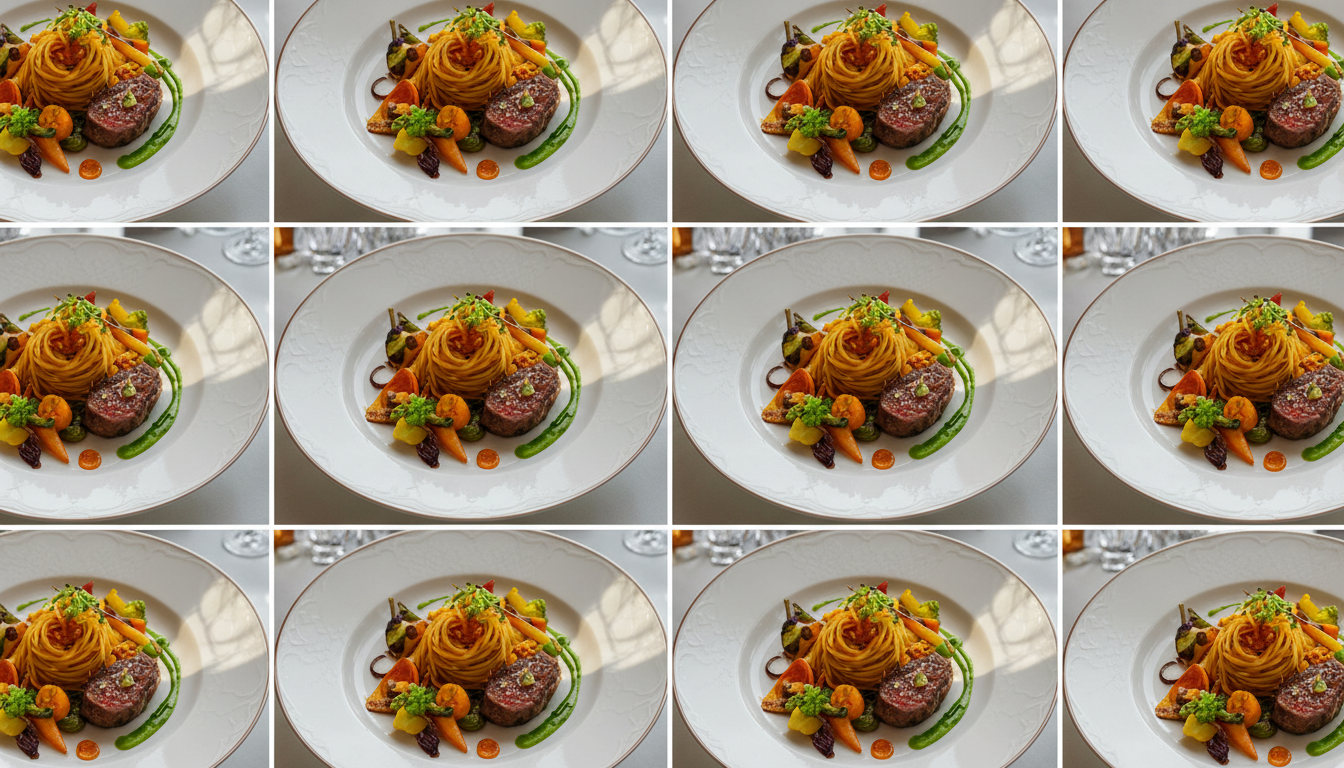
Choosing the Right Plate
Your plate is your canvas. Selecting the right size, shape, and color can dramatically affect the presentation. White plates are a classic choice, providing a neutral background that makes colors pop. However, don't be afraid to experiment with different shapes and colors to find the perfect match for your dish.
Consider the portion size and make sure the plate is proportionate. Overcrowding can make a dish look cluttered, while too much empty space can make it seem sparse. Aim for a balance that highlights the food while maintaining elegance.
Building Layers and Height
Layering elements can add depth and interest to your presentation. Start with a base and build upwards, using proteins, vegetables, and garnishes to create height. This technique not only looks impressive but also helps combine flavors and textures in one bite.
Experiment with different textures to add complexity. A mix of smooth, crunchy, and creamy elements can offer a delightful contrast, enhancing both the visual and taste experience.

Garnishing with Purpose
Garnishes are more than just decoration; they should complement the dish's flavors. Use herbs, edible flowers, or microgreens to add a touch of color and freshness. Ensure that garnishes are edible and enhance the overall taste of the dish.
Avoid over-garnishing, which can detract from the main elements. Instead, aim for subtle accents that bring out the best in your dish. Remember, less is often more when it comes to effective garnishing.
Finishing Touches
The final step in plating is adding those last-minute details that make a dish shine. A drizzle of sauce, a sprinkle of sea salt, or a dash of spice can add that extra flair. These finishing touches should be applied with precision to maintain balance and harmony.

Practice is key to mastering the art of plating. Experiment with different techniques, learn from mistakes, and develop your own style. With time and creativity, you can transform any dish into a visual masterpiece that delights both the eyes and taste buds.