The Art of Crafting a Seasonal Menu: Tips from Monmouth County's Top Chefs


Embracing the Seasons in Your Menu
Crafting a seasonal menu is more than just a culinary trend—it's an art form that celebrates the bounty of nature. Monmouth County's top chefs have mastered this craft, incorporating fresh, locally-sourced ingredients to create dishes that capture the essence of each season.
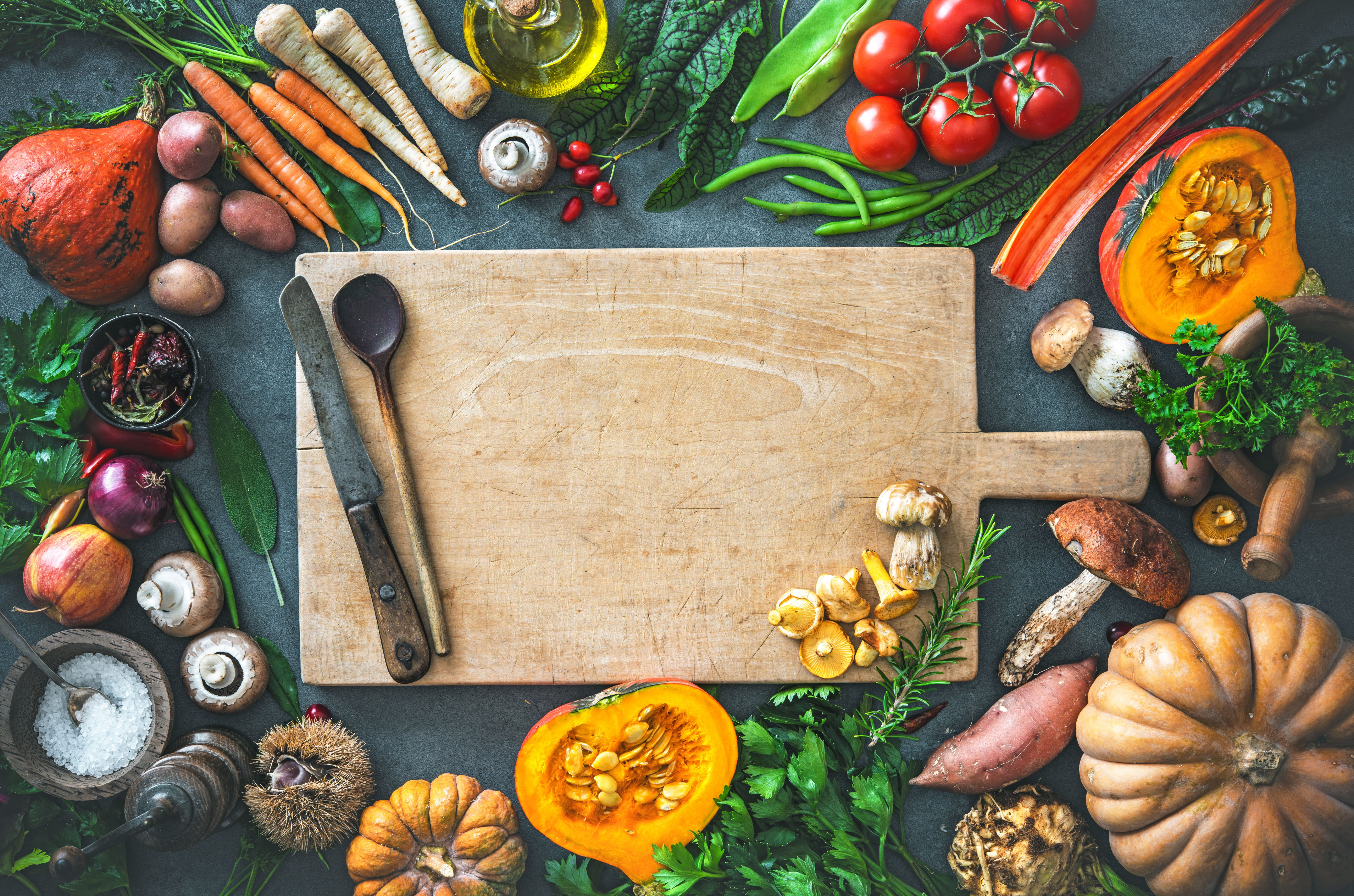
By aligning their menus with the seasons, these chefs not only offer diverse flavors but also support local farmers and reduce their carbon footprint. Let’s explore some tips from these culinary artists on how to create a seasonal menu that delights the palate and soul.
Understanding Seasonal Ingredients
The first step in creating a seasonal menu is understanding the ingredients available during each season. This means knowing what fruits, vegetables, and proteins are at their peak and when. Using ingredients at their freshest ensures that each dish is bursting with flavor.
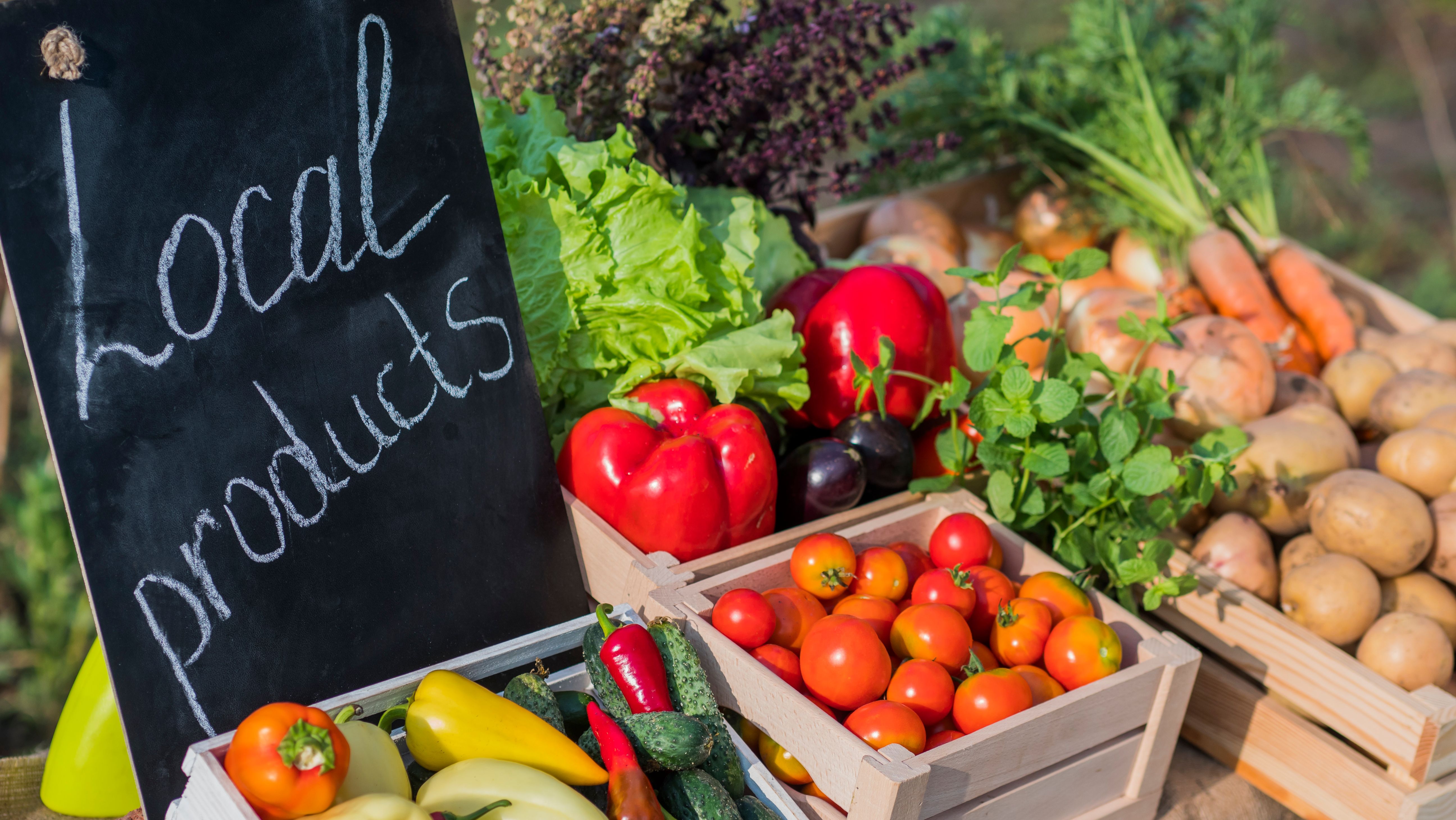
Consider investing in a seasonal produce calendar or partnering with local farms to stay informed. This connection allows chefs to plan menus that highlight the best of what each season has to offer.
Incorporating Creativity and Tradition
While seasonal ingredients provide a foundation, creativity is key to transforming these components into a memorable dining experience. Monmouth County chefs often draw inspiration from traditional dishes, giving them a contemporary twist.
Experimenting with different textures, flavors, and presentation styles can elevate a dish, making it both innovative and comforting. Balancing creativity with tradition ensures that the menu resonates with diners, evoking nostalgia while offering something new.
Balancing the Menu
A successful seasonal menu should offer a balance of flavors and textures. This requires careful consideration of how each dish complements others. Chefs often include a mix of light and hearty options, providing variety to suit different tastes and dietary needs.

Additionally, offering a range of dishes—from appetizers to desserts—ensures that every guest can find something to enjoy. This balance not only enhances the dining experience but also encourages repeat visits.
Engaging the Community
Creating a seasonal menu provides an opportunity to engage with the local community. Chefs can collaborate with local artisans and producers to source unique ingredients, fostering relationships that enrich both the menu and the community.
Hosting events such as farm-to-table dinners or seasonal tasting events can further strengthen these connections. These events allow diners to appreciate the journey of their food from farm to plate, deepening their appreciation for the seasonal offerings.

Conclusion
The art of crafting a seasonal menu is a dynamic process that requires passion, creativity, and collaboration. By embracing the seasons, Monmouth County's top chefs not only create exceptional dining experiences but also contribute to a sustainable and supportive local food ecosystem.
Whether you're a seasoned chef or an aspiring home cook, these insights can inspire you to explore the rich tapestry of flavors that each season brings, transforming your meals into a celebration of nature's bounty.