Sustainable Cooking Practices for Modern Chefs


Understanding Sustainable Cooking
In today's fast-paced world, the culinary industry is experiencing a significant shift towards sustainability. Modern chefs are embracing practices that not only satisfy the palate but also take into account the well-being of our planet. This movement is more than a trend; it's a necessity. Sustainable cooking involves using resources efficiently and minimizing waste to create dishes that are as good for the environment as they are for those who enjoy them.

Choosing Local and Seasonal Ingredients
One of the key aspects of sustainable cooking is sourcing ingredients locally and seasonally. By choosing local produce, chefs reduce the carbon footprint associated with transporting goods over long distances. Seasonal ingredients are often fresher and more flavorful, providing a better culinary experience. Moreover, supporting local farmers strengthens community economies and promotes biodiversity.
Reducing Food Waste
Food waste is a significant issue in the culinary world, and modern chefs are finding creative ways to tackle this problem. Techniques such as nose-to-tail cooking and root-to-stem eating ensure that every part of an ingredient is utilized. Chefs are also incorporating food preservation methods like pickling and fermenting to extend the life of produce, thus reducing waste.

Energy-Efficient Kitchen Practices
An energy-efficient kitchen not only saves money but also reduces environmental impact. Chefs are turning to energy-efficient appliances and cooking methods. Induction cooktops, convection ovens, and pressure cookers use less energy and cook food faster. Additionally, maintaining proper equipment and turning off appliances when not in use can significantly decrease energy consumption.
Incorporating Plant-Based Options
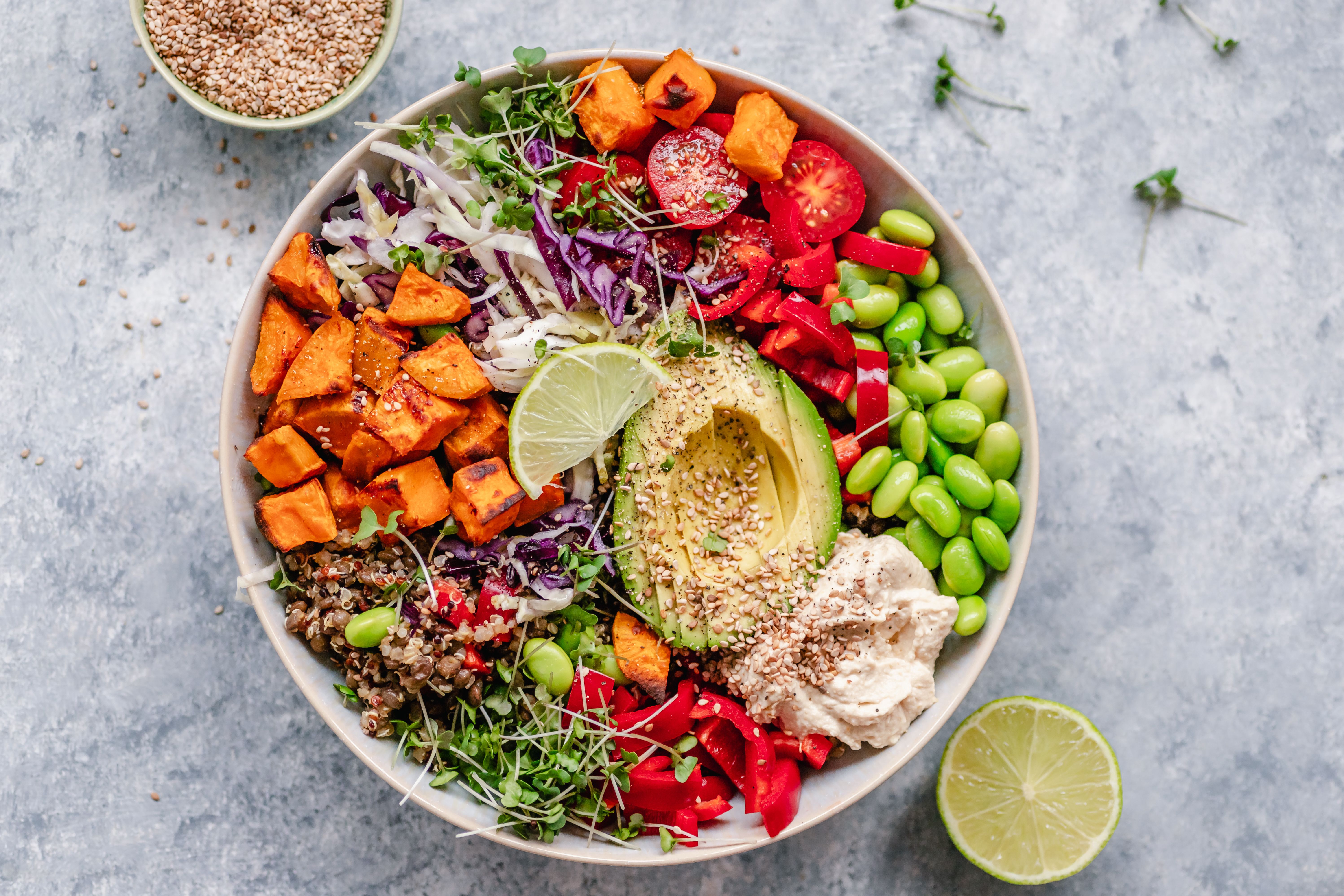
Another vital aspect of sustainable cooking is the integration of plant-based dishes. Reducing meat consumption can significantly lower greenhouse gas emissions and conserve water. Modern chefs are rising to the challenge by creating innovative plant-based menus that do not compromise on taste or nutrition. This shift not only benefits the environment but also caters to the growing number of consumers seeking plant-based options.
Supporting Ethical Practices
Sustainable cooking also involves supporting ethical sourcing and fair-trade practices. Chefs are increasingly mindful of where their ingredients come from, opting for suppliers that adhere to ethical labor practices and sustainable farming methods. This commitment ensures that the food industry supports the well-being of communities and ecosystems worldwide.
Conclusion: A Collective Effort
Sustainable cooking is a collective effort that requires the participation of chefs, consumers, and suppliers. By adopting these practices, modern chefs are paving the way for a more sustainable future in the culinary world. The journey towards sustainability in cooking is ongoing, and every small step counts towards making a significant impact.