Debunking Cooking Myths: Professional Advice from Gourmet Hospitality's Chefs


Understanding the Truth Behind Cooking Myths
Cooking is both an art and a science, but it's often surrounded by myths that can lead to confusion in the kitchen. At Gourmet Hospitality, our chefs are here to set the record straight and help you cook with confidence. Let's explore some common cooking myths and reveal the truth behind them.

Myth 1: Searing Meat Seals in Juices
One of the most persistent myths in cooking is that searing meat will lock in its juices. While searing does create a flavorful crust, it doesn't actually seal in moisture. In fact, the primary purpose of searing is to develop a rich, caramelized exterior that enhances the overall taste of the dish.
For juicy meat, focus on cooking at the right temperature. Using a meat thermometer ensures your dish is cooked to perfection without overcooking and drying it out.
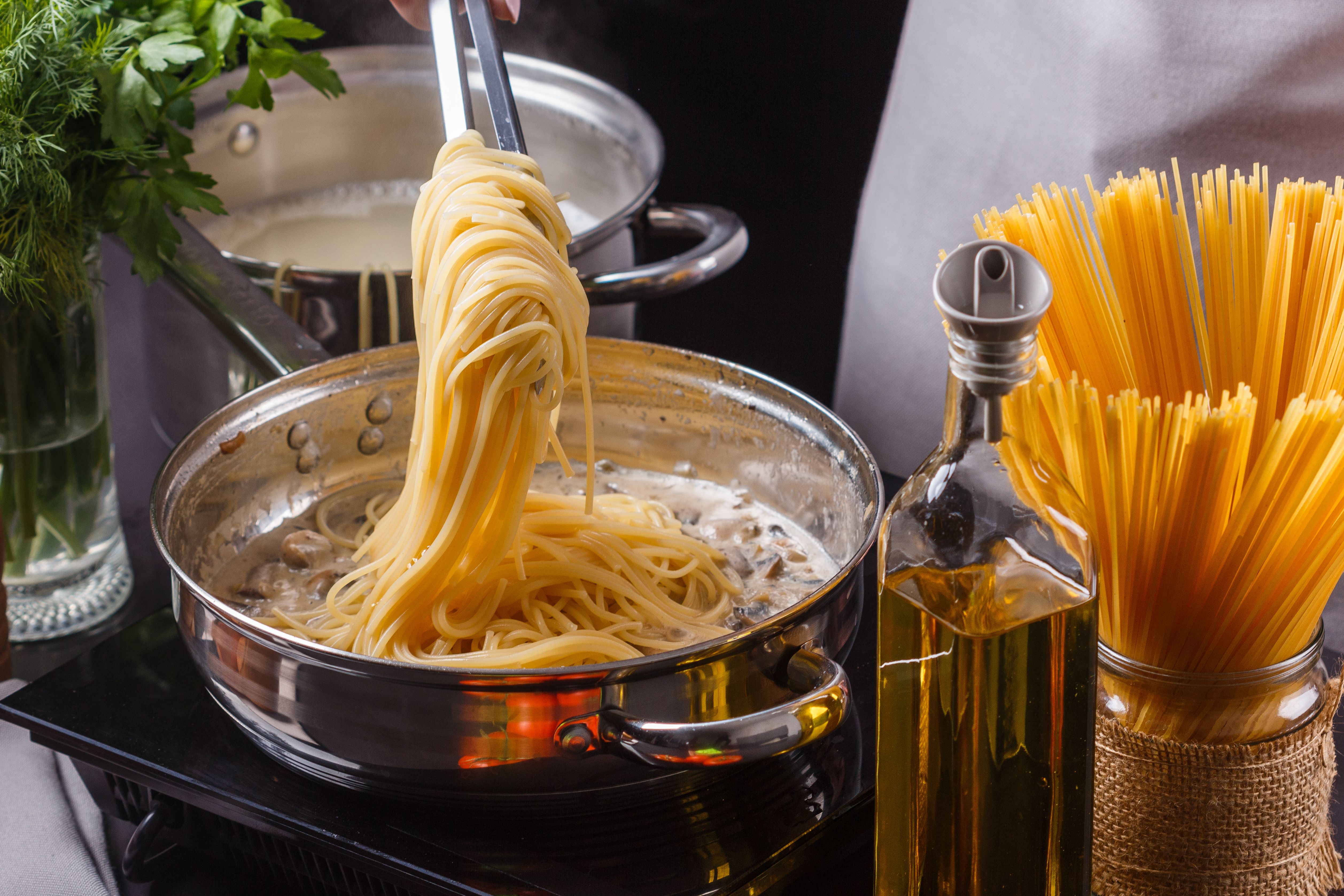
Myth 2: Adding Oil to Pasta Water Prevents Sticking
Many home cooks add oil to their pasta water, believing it will prevent the pasta from sticking. However, this practice can actually make it difficult for your sauce to adhere to the pasta. Instead, focus on stirring the pasta during the first few minutes of cooking and using plenty of water to keep it from clumping.
Myth 3: You Can't Cook with Olive Oil at High Heat
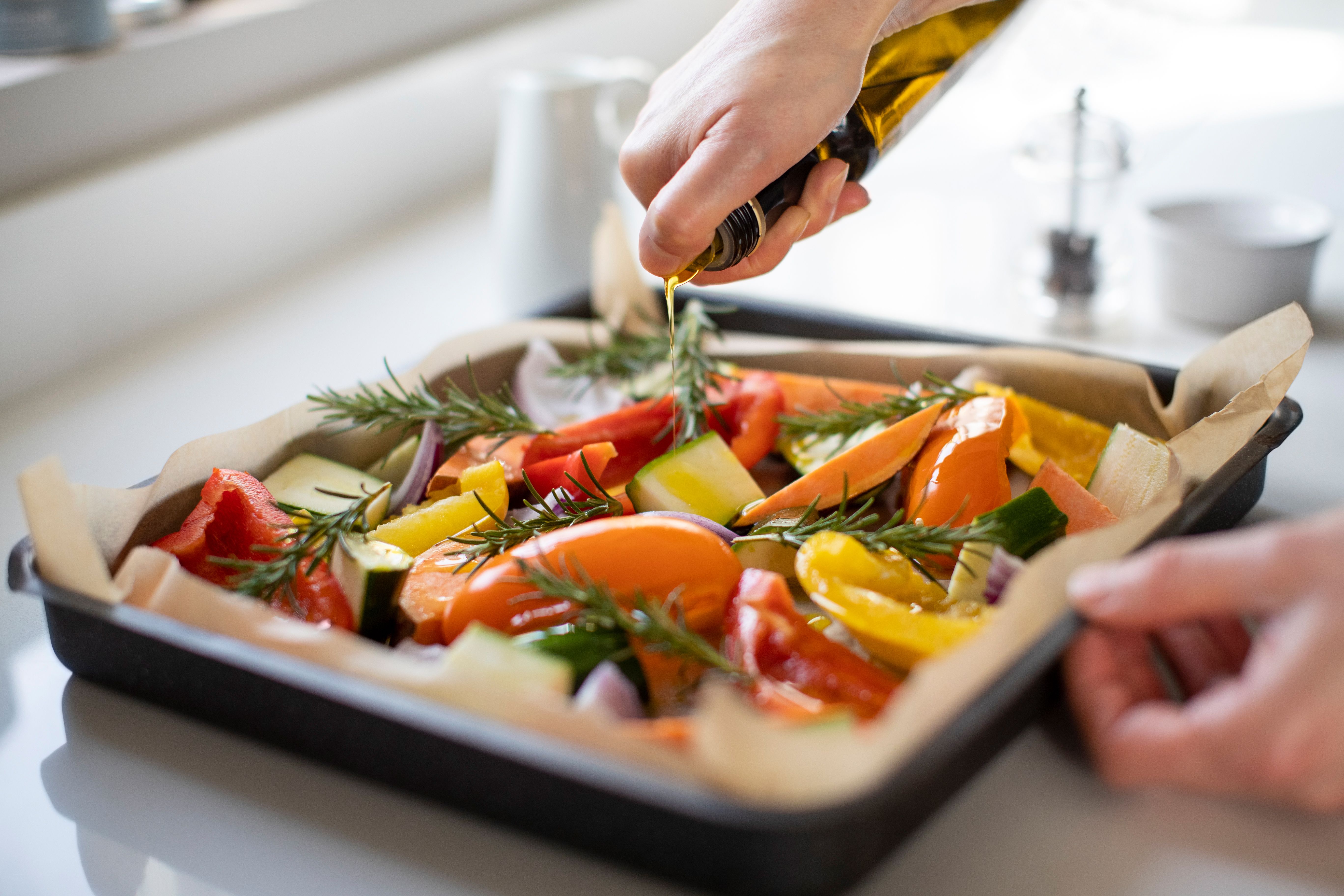
While it's true that olive oil has a lower smoke point compared to some other oils, it can still be used for most sautéing needs. The key is to avoid overheating the oil to the point of smoking, which can impart a bitter taste. For high-heat cooking, consider using oils with higher smoke points, like avocado or grapeseed oil.
Remember, using quality extra virgin olive oil can add a delicious depth of flavor to your dishes, especially when drizzled over salads or finished dishes.
Myth 4: Always Cook with Fresh Ingredients
Fresh ingredients are wonderful, but they aren't always necessary. Frozen vegetables, for example, are often picked and frozen at peak ripeness, preserving their nutrients. Canned tomatoes can be a great alternative for sauces, as they provide a consistent flavor and texture.
Using a combination of fresh, frozen, and canned ingredients can save time and money while still delivering delicious results.
Myth 5: Rinsing Rice Removes Nutrients
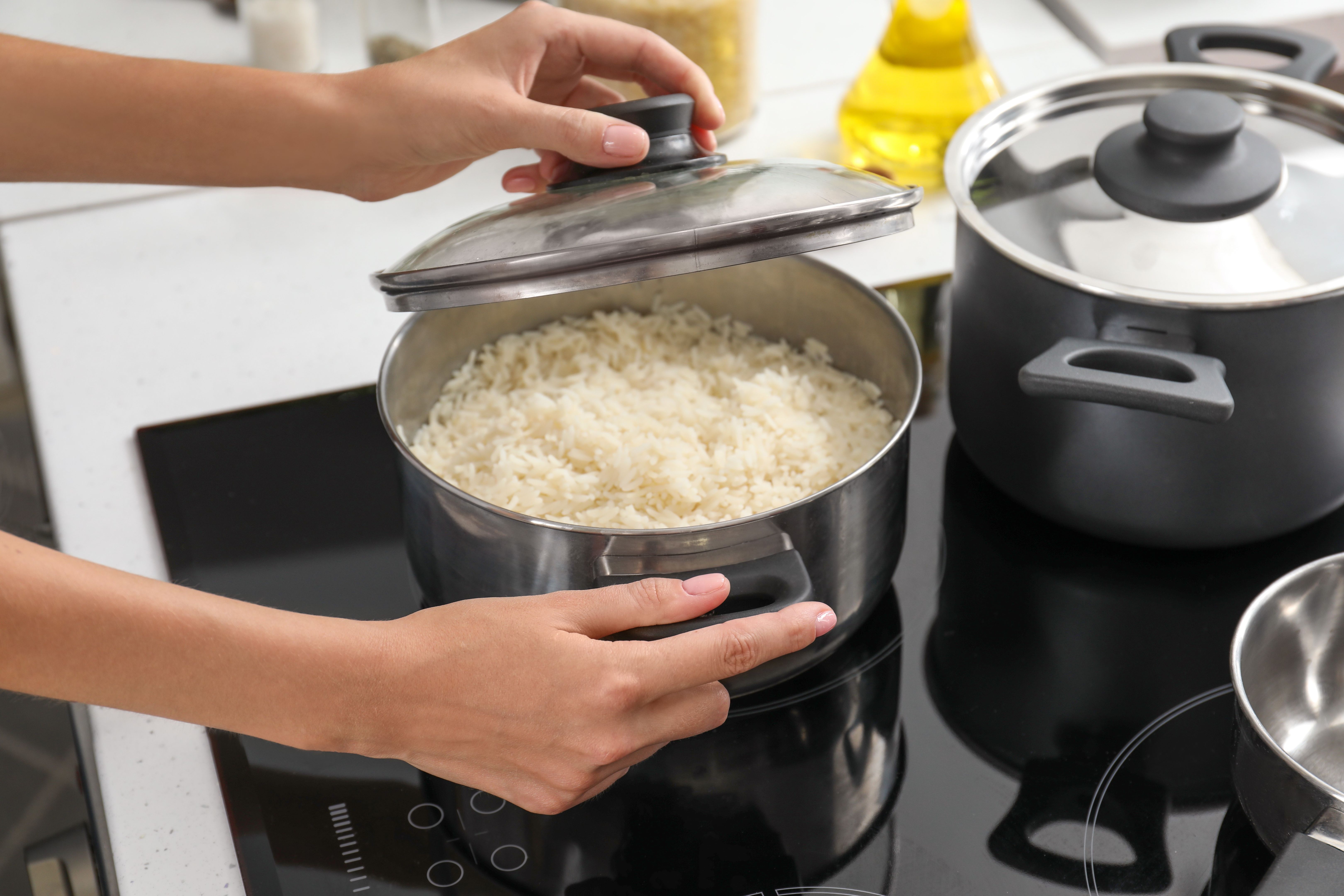
Rinsing rice before cooking is a common practice to remove excess starch, which can make rice gummy. This step doesn't significantly impact the nutritional value of the rice. In fact, rinsing rice can improve the texture, making it a worthwhile step for dishes like pilaf or sushi.
Conclusion: Cooking with Confidence
By debunking these myths, we hope to empower you with accurate information that enhances your cooking experience. Remember, cooking is a journey of discovery, and understanding the science behind it can elevate your culinary creations. Stay curious, experiment fearlessly, and enjoy the delicious results.