Debunking Common Cooking Myths: What Every Home Chef Should Know


The Truth About Searing: Does It Really Lock in Juices?
One of the most pervasive myths in the culinary world is that searing meat locks in juices. While searing does create a flavorful crust, it doesn't actually seal in moisture. The process of searing meat involves applying high heat, which causes the Maillard reaction, giving the meat its rich color and taste. However, the moisture content is determined more by the cooking method and internal temperature.
For juicy meat, focus on cooking to the right internal temperature and allowing it to rest before slicing. Resting helps the juices redistribute throughout the meat, ensuring a tender bite.
Salting Water: Does It Make It Boil Faster?
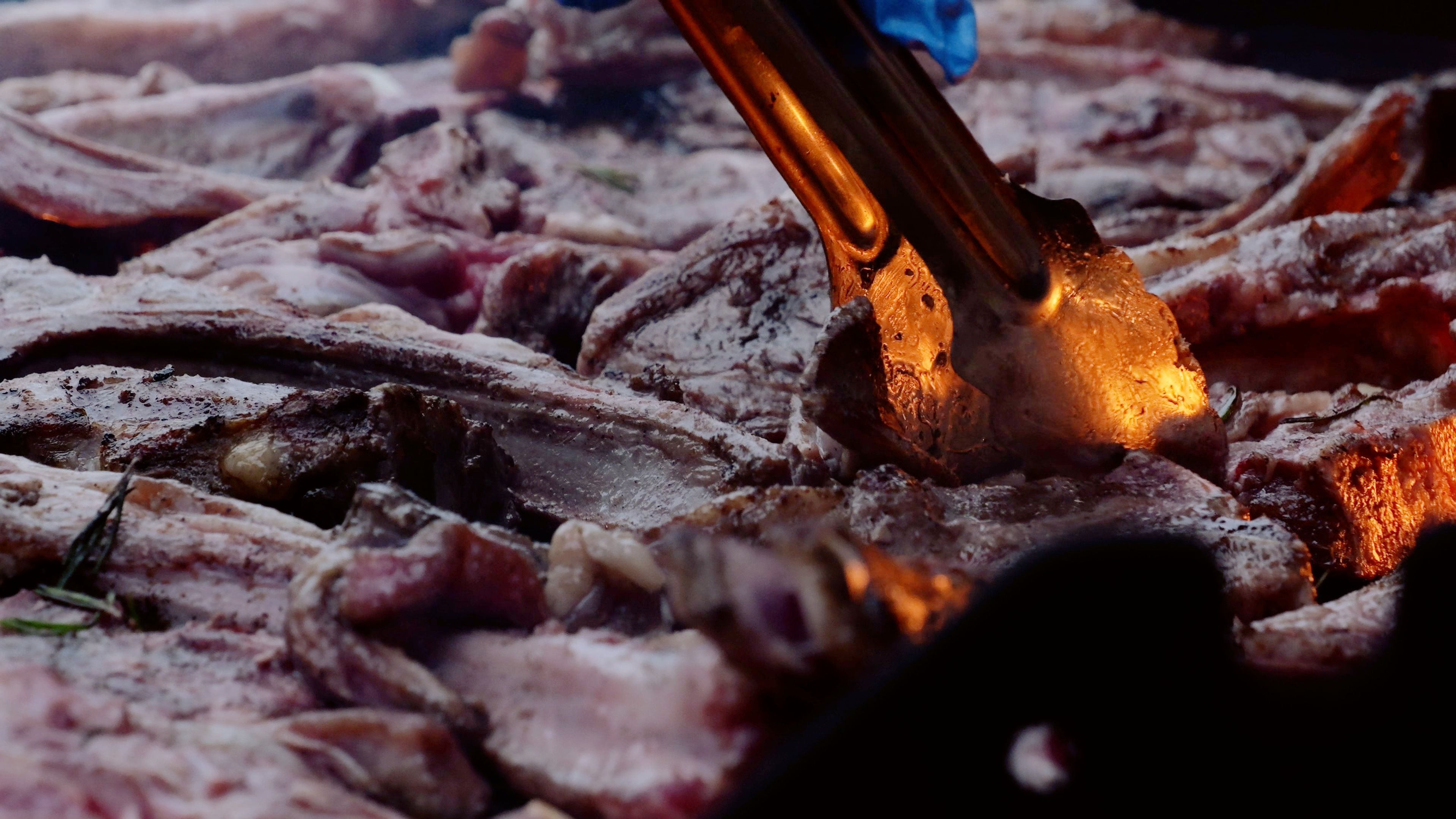
It's a common belief that adding salt to water makes it boil faster, but this is a misconception. While salt does increase the boiling point of water, the effect is so minimal that it won't significantly speed up the process in your kitchen. The real reason for salting pasta water is to season the pasta as it cooks.
For perfectly seasoned pasta, add about a tablespoon of salt per gallon of water. This will enhance the flavor of your dish without altering the boiling time.
Alcohol in Cooking: Does It All Evaporate?
Many recipes call for alcohol, whether it's wine in a sauce or beer in a stew. A common myth is that alcohol completely evaporates during cooking. In reality, the longer a dish is cooked, the more alcohol will evaporate, but some can still remain.
The amount of alcohol left depends on the cooking time and method. For those who are concerned about alcohol content, simmering for at least 15 minutes can reduce alcohol content significantly, but it may not remove it entirely.

The Role of Oil: Should You Add It to Pasta Water?
Another widespread myth is that adding oil to pasta water prevents sticking. In truth, oil floats on top of the water and doesn't affect the pasta much. To prevent pasta from sticking, ensure you use a large pot with plenty of water and stir occasionally during the first few minutes of cooking.
Adding oil to pasta water can hinder sauce adherence later, so it's best reserved for after cooking if needed, especially when storing pasta for later use.
Microwaving: Does It Destroy Nutrients?
Microwaving often gets a bad rap for supposedly destroying nutrients in food, but this isn't entirely accurate. In fact, the microwave can be one of the best methods for preserving nutrients, as it cooks food quickly with minimal water.
The key is to avoid overcooking and to use microwave-safe dishes. Steaming vegetables in the microwave, for example, can retain more vitamins than boiling them on the stove.

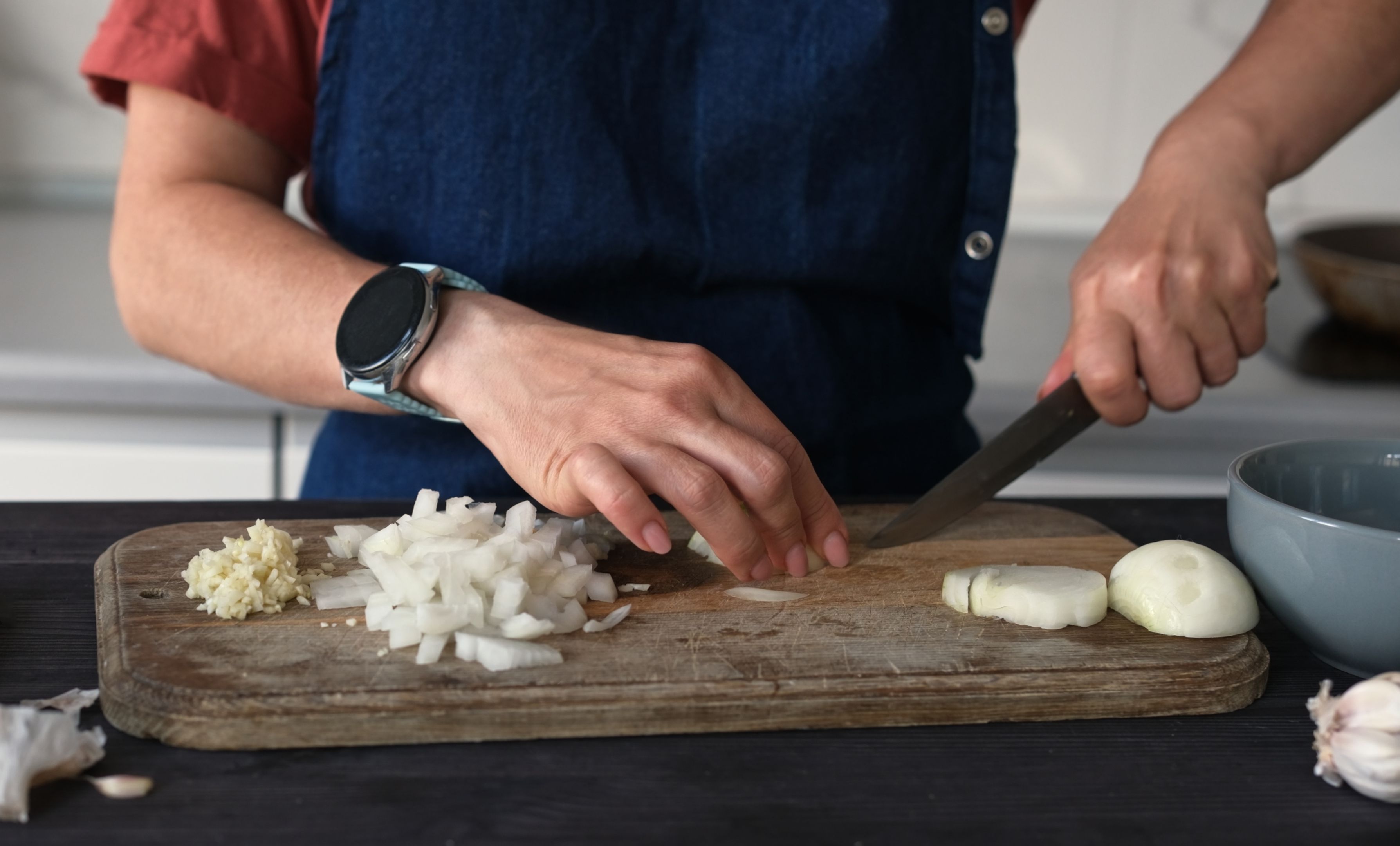
Cutting Onions: Does Chilling Prevent Tears?
Many people suggest chilling onions to prevent tears, but this may only provide partial relief. The lachrymatory-factor synthase enzyme released when cutting onions is what causes tearing. Chilling can slow the release of this enzyme, but it won't stop it completely.
For a more effective solution, try cutting onions in a well-ventilated area or using a sharp knife to minimize cell damage.