Chef's Guide to Gourmet Cooking: Mastering Techniques with Local Flavors


Exploring the Art of Gourmet Cooking
Gourmet cooking isn't just about following recipes; it's about understanding the essence of flavors and mastering the techniques that bring them to life. By using local ingredients, chefs can elevate their dishes, creating a unique dining experience that reflects the region's culinary heritage.

The Importance of Fresh, Local Ingredients
Utilizing fresh, local ingredients is a cornerstone of gourmet cooking. These ingredients not only enhance the flavor but also connect the dish to its origins. Fresh produce, meats, and dairy from local farms ensure that your meals are both delicious and sustainable.
Chefs can visit local markets to discover seasonal offerings, allowing them to craft menus that change with the seasons. This approach not only supports local farmers but also allows chefs to experiment with a variety of flavors.
Mastering Classic Techniques
Understanding classic cooking techniques is essential for any chef aspiring to excel in gourmet cooking. Techniques like sous-vide, braising, and caramelization can transform simple ingredients into exquisite dishes. Mastery of these methods provides the foundation upon which chefs can innovate and create new recipes.
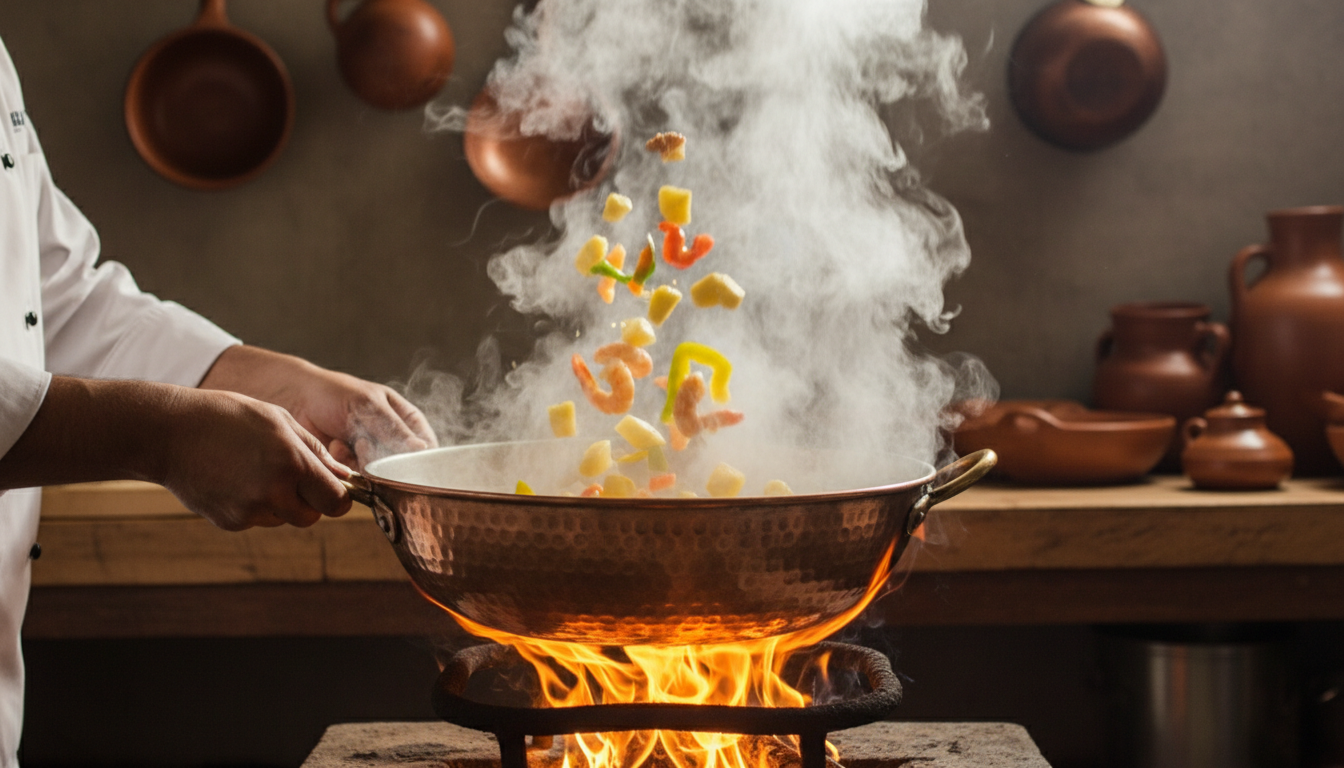
For instance, the sous-vide method allows for precise temperature control, resulting in perfectly cooked meats that retain their natural juices. This technique, combined with local herbs and spices, can create a memorable culinary experience.
Balancing Flavors and Textures
Creating a gourmet dish involves finding the right balance of flavors and textures. Chefs should aim to combine sweet, salty, sour, bitter, and umami elements to create complexity in their dishes. This balance can be achieved by using local produce that naturally offers these flavors.
Textures are equally important. Combining creamy, crunchy, and smooth elements can enhance the eating experience, making each bite intriguing and satisfying.
Innovating with Local Flavors
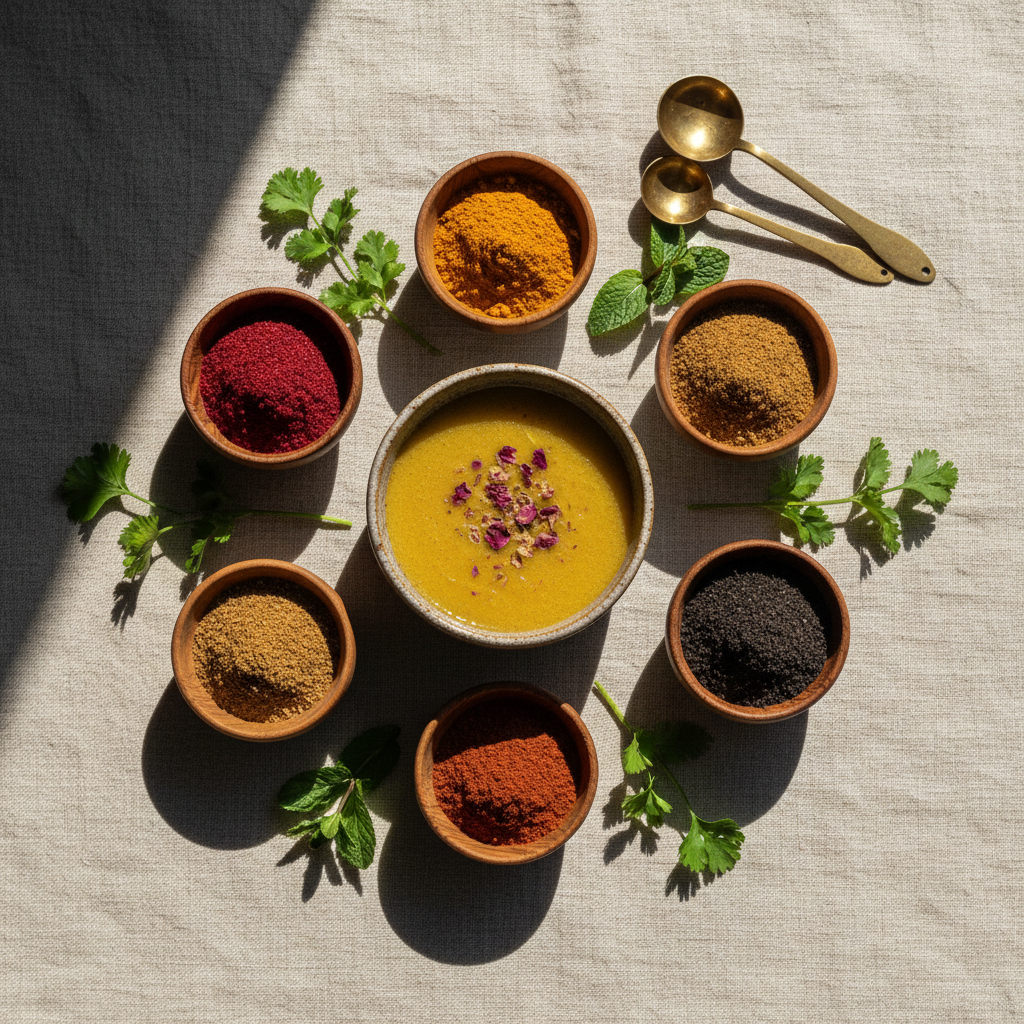
Once foundational techniques are mastered, chefs can begin to innovate by incorporating unique local flavors. This is where creativity meets tradition. By using indigenous ingredients and traditional recipes as inspiration, chefs can offer dishes that are both familiar and novel.
For example, a classic French dish can be reinvented with a twist of local spices or a unique ingredient native to the area. This not only showcases the chef’s creativity but also pays homage to local culinary traditions.
Creating a Memorable Dining Experience
The ultimate goal of gourmet cooking is to create a memorable dining experience. This involves not only the taste and presentation of the food but also the ambiance and service. Paying attention to the details, from plating to the choice of wine pairings, can transform a meal into an unforgettable event.
- Focus on presentation: The visual appeal of a dish is crucial.
- Select complementary wine or beverages.
- Create a welcoming and elegant dining environment.
By mastering gourmet cooking techniques and embracing local flavors, chefs can offer diners an exceptional culinary journey that delights all the senses.